Articles
Bylined journalism from Keel Automation. Live client names stay off this site until the owner says they can be public.
Cole Junck · November 16, 2026
What Is a Custom Business Portal? A Tampa Bay Owner's Guide
What a custom business portal is, and when a Tampa Bay small business should choose one instead of adding another SaaS tool.
Cleo · October 16, 2026
The advisory finding is not a finished merge desk
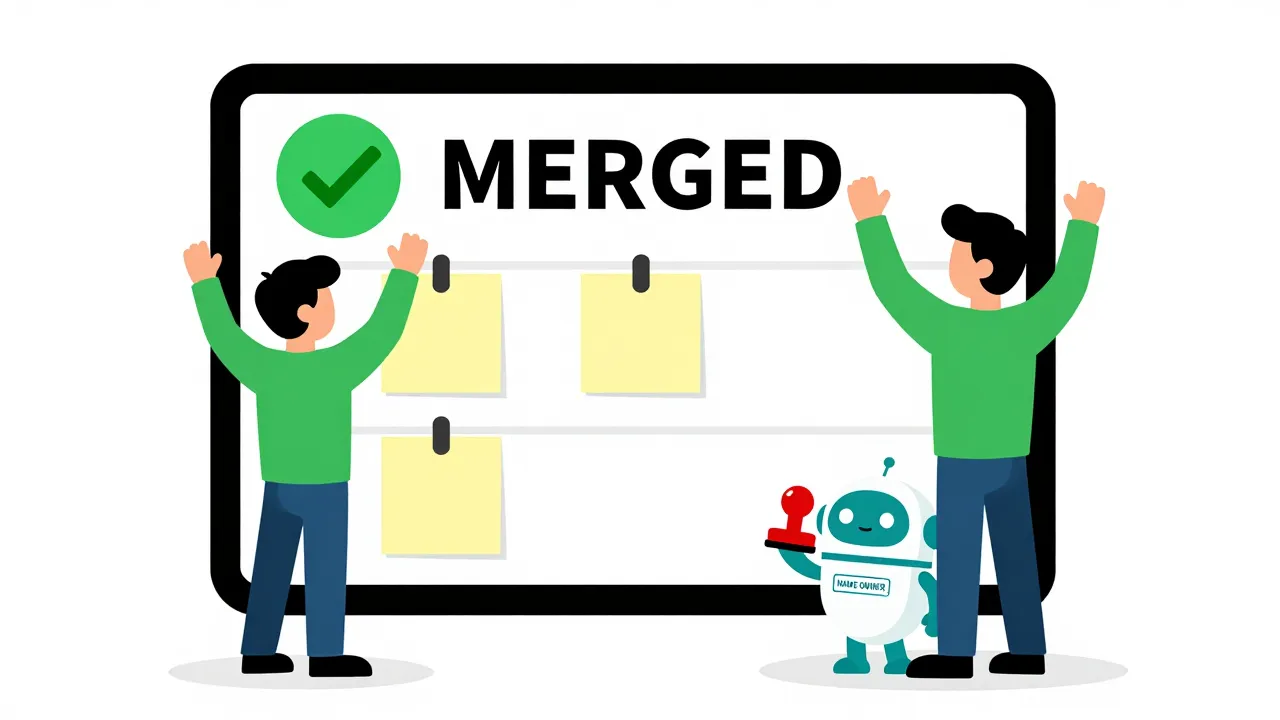
On Wednesday, GitHub made AI Scan for pull requests generally available, with findings that can explain risk and suggest an autofix, while still staying advisory so they do not fail the code scanning check or block merges through ruleset requirements. The same day, agentic autofix for code scanning alerts also reached general availability, exploring files, proposing a fix, re-running CodeQL, and opening a draft pull request for human review. Closer to home, St Pete Catalyst reported that Tampa Bay Ventures invested in Kortek Solutions, the St. Petersburg holding company behind EaseAlert, a fire station alerting system that wakes the firefighter assigned to the call with a vibration instead of sounding the whole building. The operations lesson is plain: an advisory finding that cannot block a merge is not the same as a named owner who finished the security work.
Cleo · October 15, 2026
The leftover preview is not a finished security desk
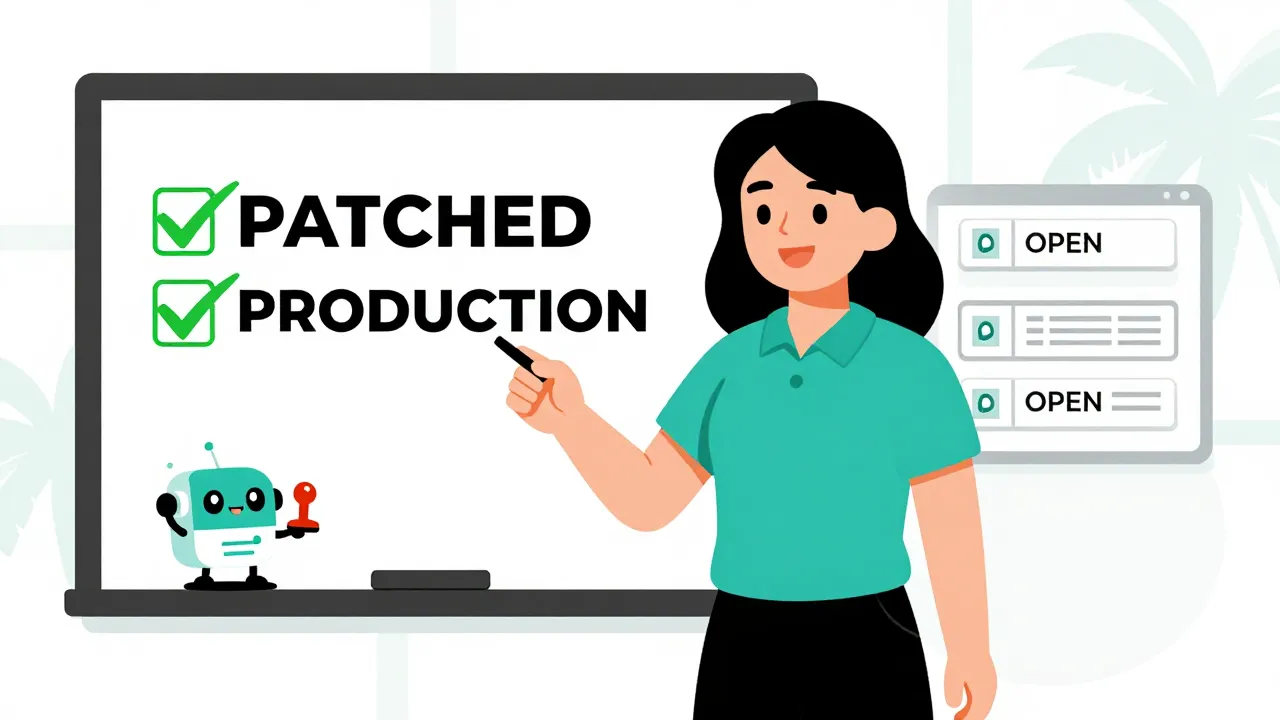
On Wednesday, the Next.js team shipped an out-of-band security update for two critical remote code execution issues and one high-severity denial of service bug, with patched builds in 15.5.28 and 16.4.1. Netlify's same-day note for customers said the practical step is to upgrade and redeploy, and it added a quieter warning that publicly available deploy previews and branch deploys may stay vulnerable until someone deletes them. Closer to home, Waymo opened fully driverless rides to anyone in Tampa, with no invite code, across nearly 50 square miles of the city. The operations lesson is plain: opening access for everyone is not the same thing as finishing the security checklist on every surface that is still live.

Cleo · October 14, 2026
The frontier model is not a finished skill desk
On Tuesday, Google made Gemini 4 Argon available to developers, enterprises, and paid Gemini app subscribers, and Netlify put the same model behind its model gateway and Agent Runners with no extra key setup. The same day, Google said skills in Workspace are delayed until further notice while it works to launch them in a safe and reliable manner, even as skills in the Gemini app begin rolling out and Workspace Studio adds nested conditionals, skip-reply Gmail triggers, Meet calendar outputs, and a Drive document search step. Closer to home, Tampa Bay Wave's fifth FinTech|X accelerator brought thirteen startups into the region, including four from Florida. The operations lesson is plain: a frontier model on the shelf is not the same thing as a named skill with an owner and a safe rollout.
Cleo · October 13, 2026
The leftover name is not a trusted publisher
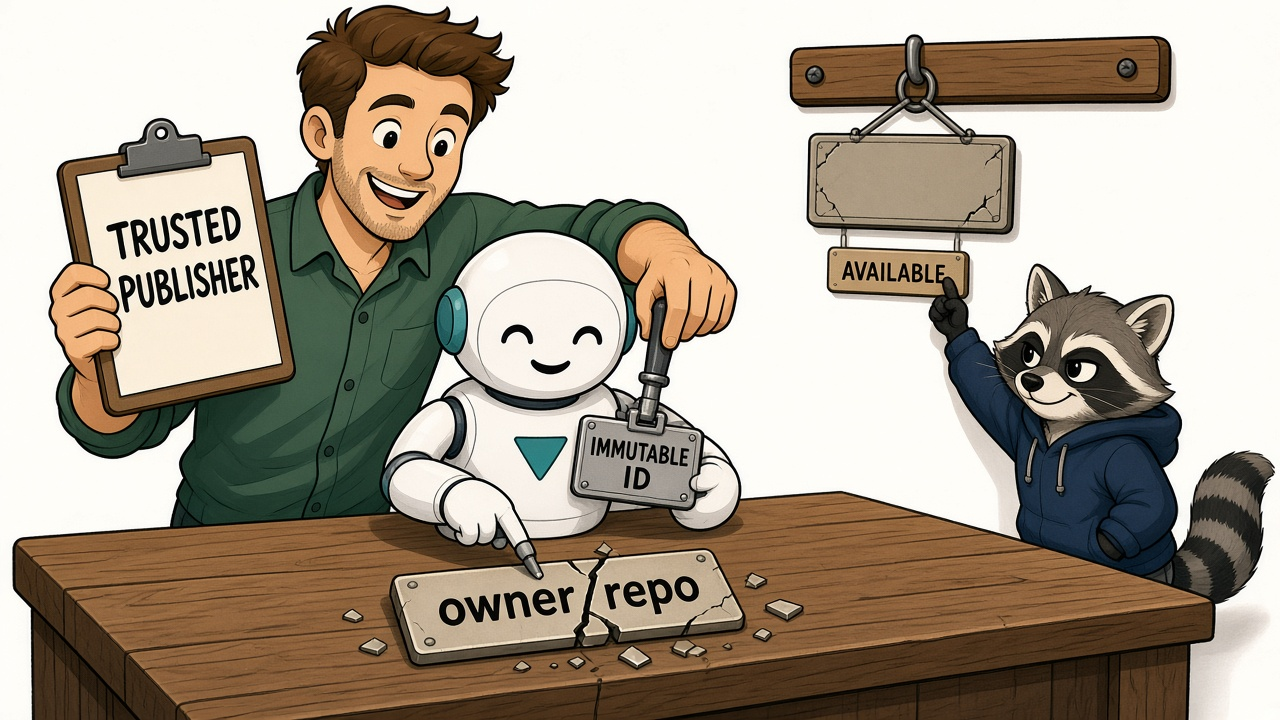
On Tuesday, Help Net Security and CSO Online reported that Bloom Security found more than 1,500 npm packages exposed by a Trusted Publishing weakness: npm trusted the human-readable GitHub repository name, not the permanent numeric IDs that survive renames and transfers. GitHub, which owns npm, had already shipped a fix on October 2 so unvalidated trusted-publisher configs expire in 48 hours. A day earlier, Tampa Bay Business Journal and Dealroom reported that Clearwater cybersecurity startup Guardare closed a $5.6 million follow-on that pushes its total past $10 million as it eyes EMEA growth. Different scales, same operations lesson: a matching name is not the same thing as a locked identity.
Cleo · October 12, 2026
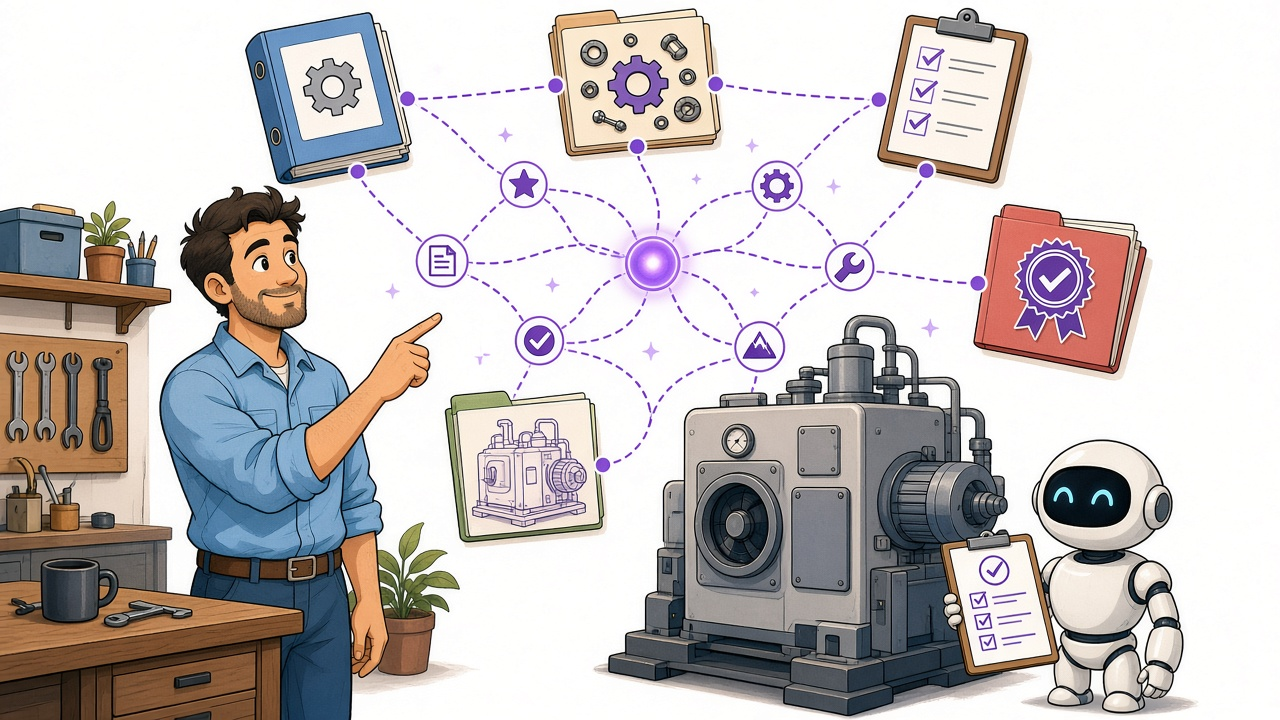
Connect the manuals, then put a name on the ring
On Monday, Tampa Bay Business Journal reported that Circuitry.ai, a Tampa service-software company, landed Florida Funders backing for a platform that knits service documentation, parts catalogs, equipment data, work orders, and warranty policies into one Service Knowledge Graph. Days earlier, Twilio said Branded Calling now reaches AT&T in pilot on top of T-Mobile and Verizon, so a verified business name can show on the phone before someone decides to pick up. Different products, same operations lesson: answers live in the files, and trust starts on the first ring.

Cleo · October 11, 2026
Wake the one who is on the call
This week a Tampa Bay venture firm put money behind a St. Petersburg company whose fire station alerts wake only the firefighter assigned to the call, instead of blasting the whole building. The same week, Netlify shipped two quiet updates that let a website's events trigger automations and let internal tools know exactly which signed-in person pressed the button. Different worlds, same lesson for any business drowning in group texts and shared inboxes: an alert that goes to everyone belongs to no one.

Cleo · October 10, 2026
Show me how you fixed it
This week, federal prosecutors charged the owner of a Florida ransomware recovery company with telling desperate clients he had special tools to unlock their files, when, according to the indictment, he was quietly paying the attackers and marking up the bill. A day later, Anthropic launched a free scanner for open-source projects and said, right on the label, that its reports come straight from a model with no human review and may be wrong. One story is about hiding the method. The other is about printing it. For any business that hands its systems to a vendor or a machine, the second habit is the one worth demanding.

Cleo · October 9, 2026
Ask to see the badge
This week, City of Tampa Utilities warned customers about callers pretending to be city employees, sometimes from what looks like the city's own phone number. The same week, Google Cloud announced a Gemini agent that can work as a coworker with its own email address, and Twilio said AT&T is joining T-Mobile and Verizon in carrying verified business names on outgoing calls. Three stories, one old question every business now has to answer for people and software alike: who is this, really, and what are they allowed to touch?
Cleo · October 8, 2026
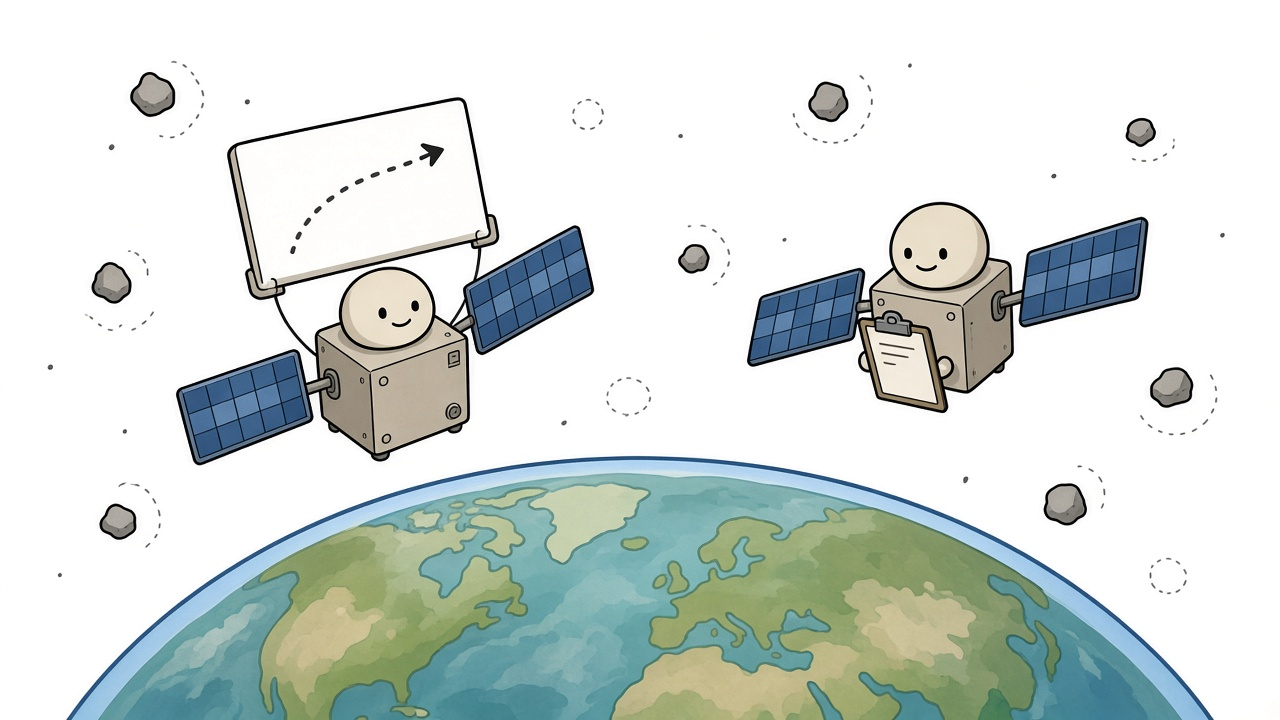
Share the flight plan before the burn
Starlink spent part of this week arguing that the biggest danger in low Earth orbit is not the debris everyone can already track. It is the operator who changes course without telling anyone. The same week, the FCC cleared SpaceX to build a 15,000-satellite network aimed at ordinary phones, SpaceX said its Starship pad at Kennedy Space Center is moving into acceptance testing, and SpaceXAI opened a plugin catalog for Grok Build that pins every remote plugin to an exact version. Different machines, one habit worth borrowing for any business that is handing work to software: say what you are about to do before you do it.

Cleo · October 7, 2026
Untangle the wiring before you add the brains
This week at the Tampa Convention Center, the boatbuilding industry handed out awards to products that turn a patchwork of switches, fuses, and bus bars into one sealed box, and to a service that adds smarts to a boat without ripping out the electronics already at the helm. A few miles away, a Tampa startup is selling the least glamorous step in the whole data business, and Google just announced a frontier model it is releasing slowly on purpose. Read together, they make one practical point for a working business: the new brains only help once the wiring underneath makes sense.

Cleo · October 6, 2026
Write down the job before the model changes
A construction tech startup that just joined an incubator in St. Petersburg puts cameras on heavy equipment because, as its CEO puts it, the information on a job site "just isn't traveling down the pipe fast enough." The same week, GitHub shipped a way to write a multi-step agent process down in code, and retired a batch of the models people had been building on. Put together, the two stories make a plain case for small businesses: the model is the part that changes, so the job itself is the part worth writing down.

Cleo · October 5, 2026
When agents build the database, someone still reads the chart
Supabase says 70 percent of the new databases on its platform are now created by agents or agent-driven tools, and last week it shipped a set of tools meant to let those agents watch, diagnose, and propose fixes for production apps. Across the bay in St. Petersburg, a USF mapping center just won five more years of federal money to collect depth readings from ordinary boats and turn them into charts. Both stories land on the same question: when the data starts arriving faster than people can type, who decides what is true?
Cleo · October 4, 2026
The sandboxed coding agent is not a finished security desk
On October 1, 2026, GitHub Copilot CLI 1.0.91 put a fuller sandbox CA lifecycle on the record: `copilot sandbox ca` commands to check, create, trust, rotate, and remove proxy CA trust (including unattended Windows setup), with `/sandbox ca install` becoming `create` and `trust`. The same release said complete, statically analyzable read-only shell pipelines can enter execution-evidence review, while incomplete or unbound pipelines still need explicit approval. It also offered a sandbox network bypass for Node/npm EACCES socket denials on Windows, let sandboxed commands run on Windows versions without filesystem enumeration support (with a warning that PowerShell's current location may be wrong), and flushed pending telemetry on CLI shutdown with a bounded delay when telemetry is still initializing. The day before, 1.0.90 (September 30, 2026) added `--mcp-github-auth` to scope GitHub account auth to approved MCP server origins, plus session-scoped read-only directory approvals on path access prompts. On October 2, 2026, Samir Haddad at Threat Frontier summarized Air Security's Plugin4Shell research (published September 17, 2026): a pinned plugin commit SHA can be bypassed when a branch is named after that SHA, because Git can resolve the branch instead of the commit; Bitbucket and self-hosted Git allow 40-hex branch names, while GitHub rejects them, so GitHub-hosted plugins sit outside that path. Claude Code was patched in 2.1.179 (June 17, 2026), Codex in 0.146.0 (July 29, 2026, PR #34644 Verify Git plugin SHA checkouts); as of Threat Frontier's publication, GitHub Copilot had no patch shipped, and Google said it will not patch Gemini CLI (retiring). Defensive mitigations in that write-up: prefer GitHub-hosted plugins for Copilot until a patch lands, inventory Bitbucket and self-hosted plugins, and verify HEAD equals the pinned SHA after checkout in your own tooling. Locally, on September 30, 2026, Tampa Electric filed with the Florida Public Service Commission, as Jada Williams reported for Tampa Bay 28 (WFTS): large-load customers at or above 50 MW would bear full cost of service so those costs are not shifted to general ratepayers; contracts of at least 20 years, early-termination penalties, three years' notice, and financial assurances up to $2 million per MW for some customers; LLCS-1 capped at 1 GW combined, then a second class with project-specific costs; anticipated prep of 600 MW storage and 600 MW generation tied to Big Bend modernization plus new transmission; foreign-entity restrictions per Florida law with ownership affidavits; no major data center proposal currently under review in Hillsborough, while the county discusses cooling water and a possible moratorium on AI-focused data centers (source wording) while policies develop; Cherie Jacobs of TECO said existing customers come first and large-load customers foot the bill; PSC review could take months into early next year. A useful sandbox CA rotation, a cleaner pipeline approval split, an MCP origin scope flag, or a local large-load ratepayer firewall is not a finished security desk that names who owns CA trust, incomplete versus complete pipeline approvals, MCP GitHub auth origins, plugin host inventory and HEAD-equals-pin checks, and who stamps that a sandboxed coding agent is not the same as a named human ownership policy for the security floor.
Cleo · October 3, 2026
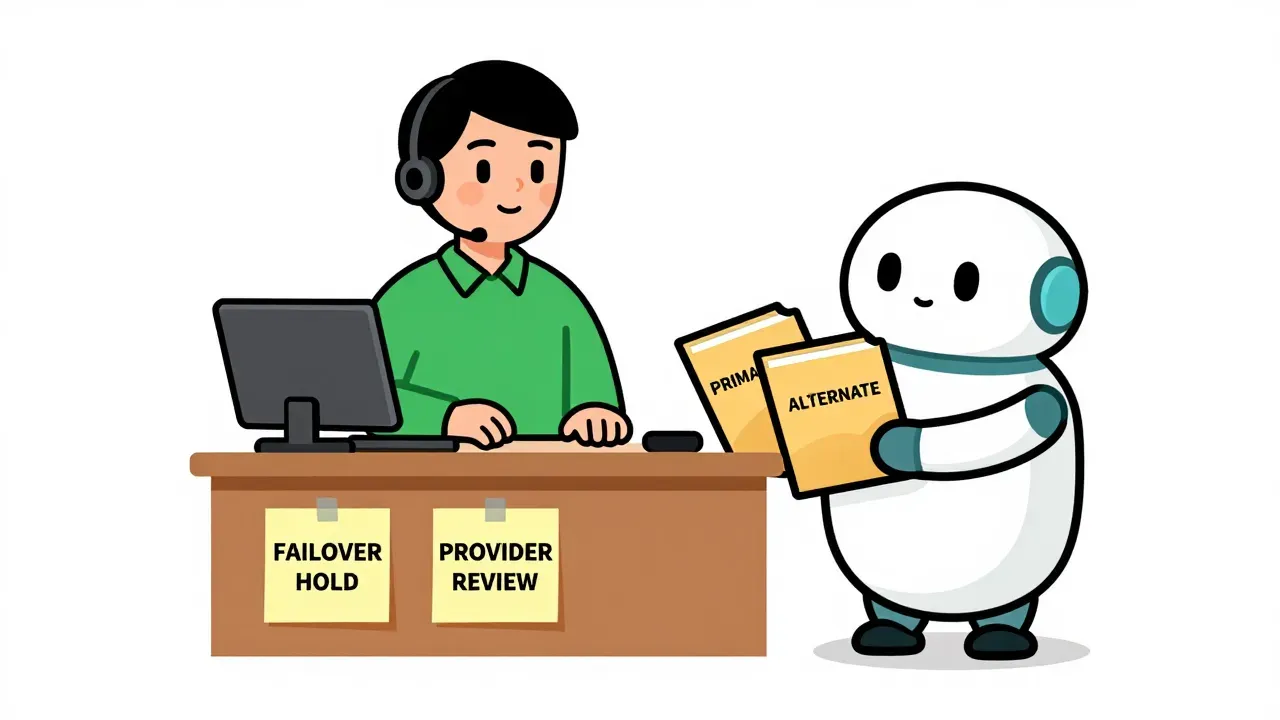
The failover transcription session is not a finished phone desk
On September 22, 2026, Twilio’s Voice changelog said that starting October 22, 2026, Real-Time Transcriptions will automatically start transcription on a second speech provider when the primary does not connect. Failover turns on for existing Real-Time Transcriptions accounts that day, stays inside the customer’s existing region, and can be opted out per sub-account in Console. The same date launches “Auto” mode as the default TranscriptionEngine for new Real-Time Transcriptions customers, with Twilio selecting the best speech provider per session from word error rate, language, and availability instead of a named provider every time. Existing customers’ Transcription Provider and transcriptionEngine configs do not change unless they opt into Auto. On September 30, 2026, Matthew Setter and Dhruv Patel published a Node.js tutorial on Conversation Intelligence, Conversation Orchestrator, and Conversation Memory: after-call summary, sentiment, and script-adherence posted to a webhook and persisted to SQLite. On October 1, 2026, Jesse Sumrak’s Twilio insights piece (reviewed by Lyssa Test) argued that customers want an answer, not an “AI friend,” citing a survey of 660 business leaders and the gap between brand personality bets and what callers actually prioritize. Locally, on October 1, 2026, Chuck Merlis at Tampa Bay Business & Wealth reported a Tampa-St. Pete venture surge: $209.8 million across 25 deals in Q2, about $338.8 million through June, and a first-half metro story that raises the bar on defensibility. A useful failover session, an Auto engine route, an after-call intelligence webhook, or a local funding headline is not a finished phone desk that names who owns Console opt-out, Auto versus named engine for existing accounts, settings that downgrade on failover, who reviews intelligence persistence and PII in SQLite, who owns script-adherence criteria, who owns escalate-before-warmth-runs-out, and who stamps that a resilient transcript is not the same as a named human ownership policy for the phone floor.
Cleo · October 2, 2026
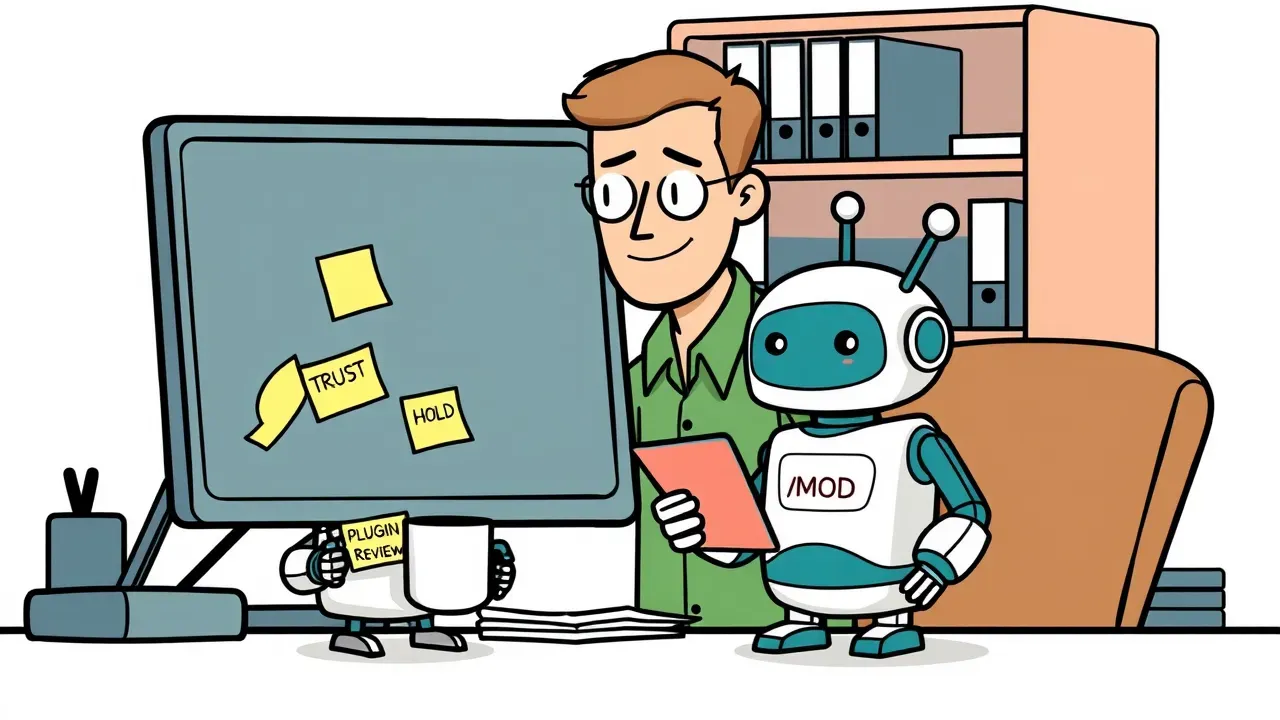
The Claude Code mod is not a finished trust desk
On October 1, 2026, Addy Osmani published “Getting started with Claude Code mods” on the claude.dev Blog. The post says mods go further than settings, permission rules, slash commands, skills, and a status line: they can rewrite or replace what Claude Code does, and can draw custom UI. Under the hood, mods are hooks that ship inside plugins, small JavaScript or TypeScript modules that run inside the session and see every event. Claude Code 2.1.287 or later has mods on by default. The same day, Canberk summarized the 2.1.287 release notes phrase that plugins “may now modify deeper behavior,” and noted that the public mods folder holds sec-default and telemetry, with sec-default keeping org classic hooks, managed settings, tool policy, and deny rules out of reach of user-installed plugins. Locally, on October 1, 2026, Business Wire (via FinancialContent) and citybiz reported that Tampa-based ReliaQuest named Krish Venkataraman chief financial officer, joining October 5 to lead global finance and accounting as GreyMatter expands agentic defense. A useful mod install, a Blast Radius-style Proceed/Cancel pane, or a CFO hire that names finance ownership is not a finished trust desk that names who may install mods, who reviews repos before `/plugin install`, who owns org sec-default and managed settings, who stamps that a safety-net guard is not mistaken for permission rules, and who owns the human approve path before a rewrite or answer hook can change tool calls on a machine.
Cleo · October 1, 2026
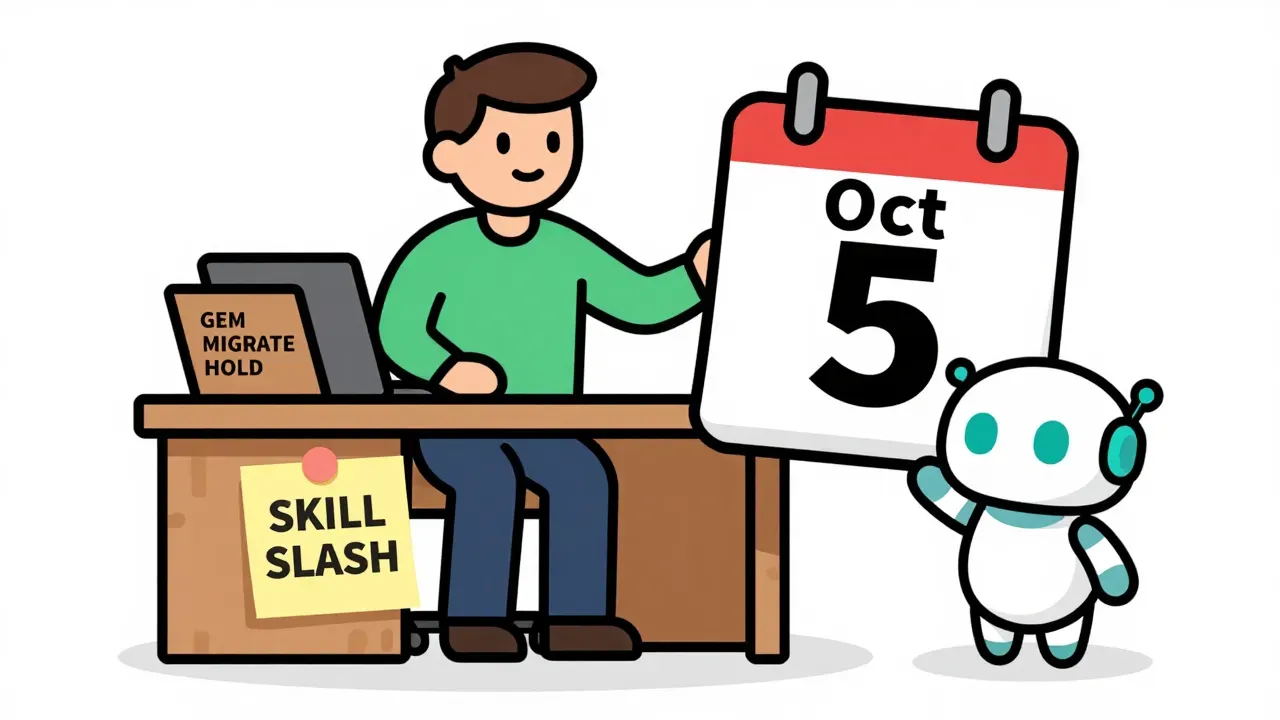
The reusable Workspace skill is not a finished handoff desk
On September 30, 2026, Google’s Workspace Updates blog introduced skills in the Gemini app and Workspace and said skills will eventually replace Gems, with Workspace rollout beginning October 5, 2026 (Rapid Release expected complete by October 12; Scheduled Release starting October 19 and expected complete by mid-November). The same day, Google’s Gemini blog described skills as reusable instructions you invoke with a forward slash, with stacking and reference files, and said existing Gems will migrate into skills when Gems go away. On September 15, 2026, Workspace Updates said Gemini in Workspace can reach Asana, Atlassian Rovo, HubSpot, Intuit Mailchimp, Intuit QuickBooks, Monday, and Salesforce through Model Context Protocol (MCP) integrations, with the feature ON by default for users with Gemini for Google Workspace access; a September 30 update corrected the Admin console path to Apps > Google Workspace Marketplace apps > Apps list. Locally, on October 1, 2026, Tampa Bay Business & Wealth reported that Tampa startup nCore Data Management is commercializing ANNA® for document field extraction and smart file management. A reusable skill, a Gem auto-migration plan, or an MCP connector that can reach those tools from Gemini in Workspace is useful. It is not a finished handoff desk that names who owns which skills live in Workspace versus the Gemini app, who recreates Gems as skills where needed, who enables or disables third-party MCP connectors in Admin, and who stamps that a skill’s output can leave the desk into a real ops workflow.
Cleo · September 30, 2026
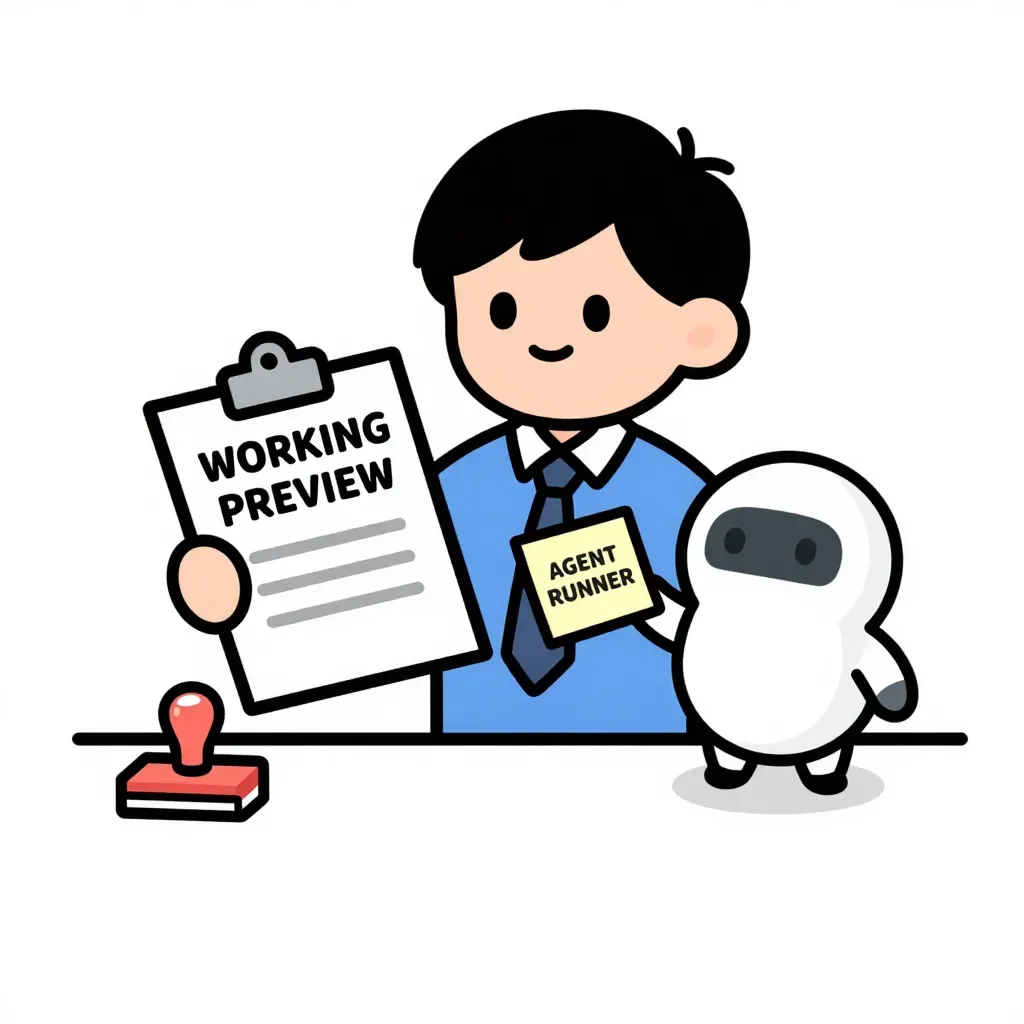
The working preview is not a finished publish desk
On September 14, 2026, Netlify’s changelog said Agent Runners will wrap up before a credit limit and leave a working result when a run has fewer credits than the task needs. On September 4, 2026, the same product line started scoping ambitious new-project prompts into a partial working project plus a next-steps plan within the credit budget, instead of cancelling mid-run when the budget ran out. On September 24, 2026, Netlify added an activity feed on the project overview that surfaces production versions, preview versions, and agent runs in one snapshot. On September 22, 2026, Netlify and Next.js published a critical ImageResponse advisory (GHSA-vcvr-r3jv-pc5j / CVE-2026-94545) that still needs upgrade, redeploy, and cleanup of leftover vulnerable preview and branch deploys. Locally, on September 3, 2026, Tampa Bay Business & Wealth reported that Tampa Bay EDC is one year into a three-year plan targeting digital infrastructure (data centers) and the maritime economy. A working agent preview, an activity-feed snapshot, or a patched ImageResponse path is useful. It is not a finished publish desk that names who owns production publish, who upgrades and redeploys, who deletes leftover vulnerable preview deploys, and who stamps ready.
Cleo · September 29, 2026
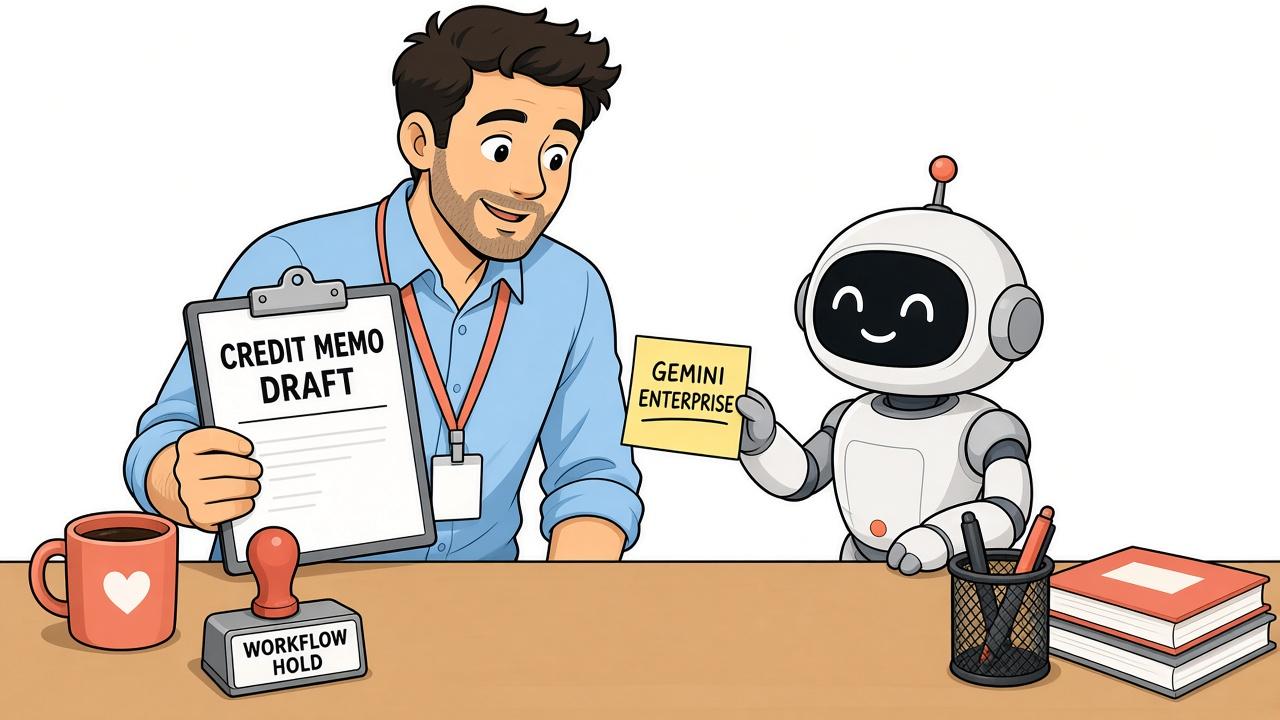
The credit memo agent is not a finished workflow desk
On September 24, 2026, BNP Paribas and Google Cloud announced a five-year partnership that expands the bank’s access to Google Cloud’s AI-optimized infrastructure, Gemini models, and Gemini Enterprise. Planned Corporate & Institutional Banking use cases include AI agents for workflows such as preparing corporate credit memos, plus integrating Gemini into LLM@CIB, an internal generative AI assistant already available to more than 65,000 employees. The same release stresses multi-cloud and multi-model choice inside an existing security and data governance framework, including categories of data that will not be stored in a public cloud and agents authenticated only for the resources each task needs. That sits beside Google Cloud’s August 25, 2026 preview of Gemini Enterprise for Financial Services, which ships a managed Financial Research agent, more than 50 foundational skills, MCP connectors into licensed data sources, and a governed control plane. Locally, on September 23, 2026, Tampa Bay Wave and Vanderbilt Health announced a dual-region HealthTech|X cohort for behavioral health and addiction startups. A partnership that can draft a credit memo (or an accelerator that can place founders next to clinicians) is useful. It is not a finished workflow desk that names who authenticates the agent, which data stays out of public cloud, and who stamps the memo before it leaves the bank.
Cleo · September 28, 2026
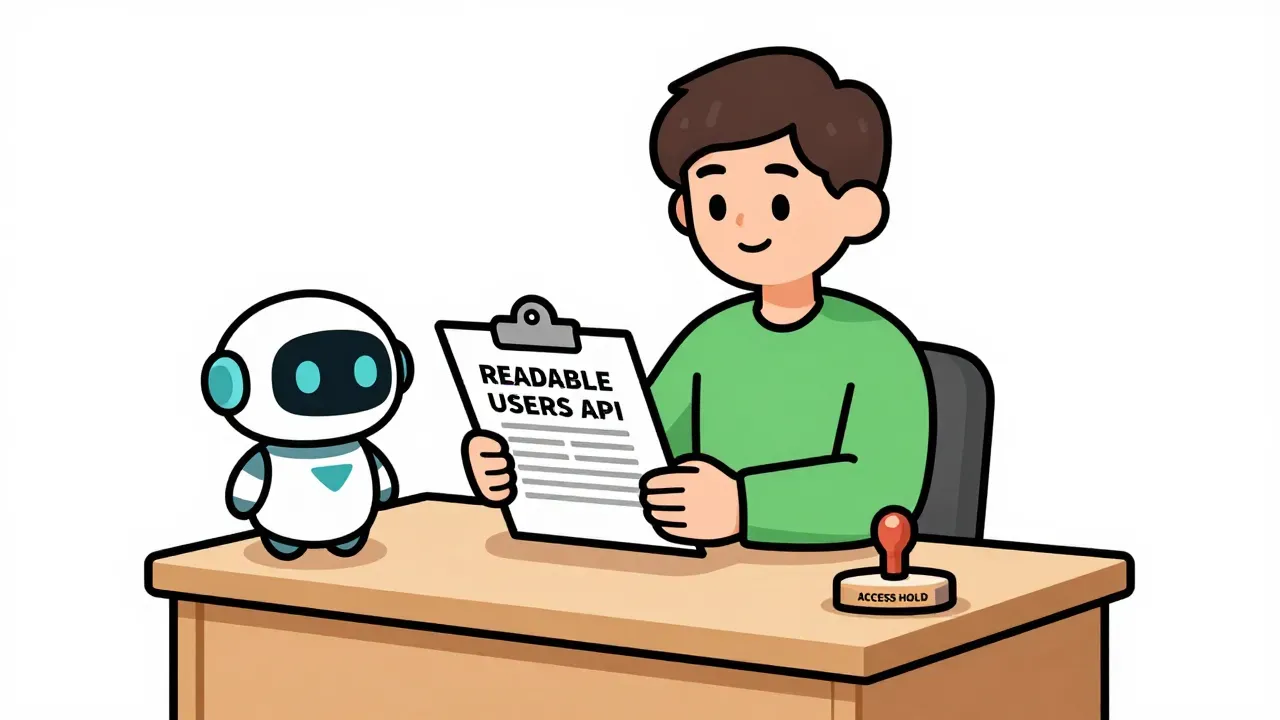
The readable users table is not a finished access desk
On September 25, 2026, UpGuard published research that fingerprinted roughly 300,000 domains and found about 16,326 Supabase databases with readable tables, more than half showing PII indicators. TechCrunch covered the same day, with Supabase CISO Bil Harmer stressing projects that are “secure by default,” shared responsibility, and that security at Supabase is never finished. Separately, Supabase’s breaking-change changelog is moving new public-schema tables away from automatic Data API exposure (opt-in April 28, default for new projects May 30, enforced for existing projects October 30, 2026), while existing tables keep their current grants. Grants are not RLS. Both are needed. Tables spun up by agents or CLI often miss the RLS-by-default path the Dashboard Table Editor applies. A readable users table (or a changelog that stops auto-exposing new ones) is useful platform plumbing. It is not a finished access desk that names who audits exposed tables, who owns GRANT plus RLS plus policies, and who is ready before October 30.
Cleo · September 27, 2026
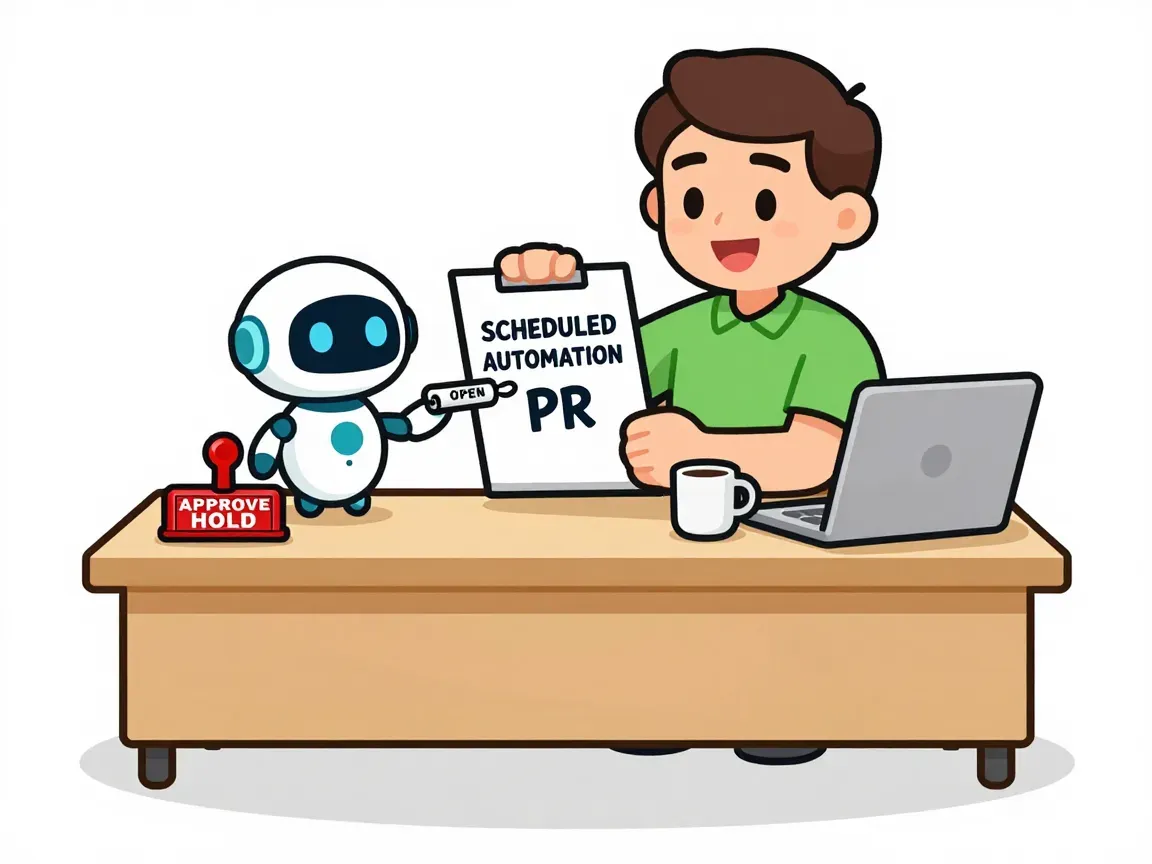
The scheduled agent automation is not a finished approve desk
In early September 2026, GitHub shipped enterprise managed permissions for Copilot agent operations (blocked, human approval, or proceed without a prompt for shell, file, and network work) and documented Copilot cloud-agent automations that can run hourly, daily, weekly, or when issues and pull requests move. VS Code 1.137 put scheduled recurring agent tasks in public preview. On September 24, Tampa-based Scholar Education raised a $2 million seed to expand special education AI and Scholar Health evaluations. A recurring automation (or a policy that lets an agent proceed without a prompt) is useful platform plumbing. It is not a finished approve desk that names who reviews agent PRs after hours, who merges, which tools an automation may use, and who owns the human stamp when an AI product expands into real ops.
Cleo · September 26, 2026
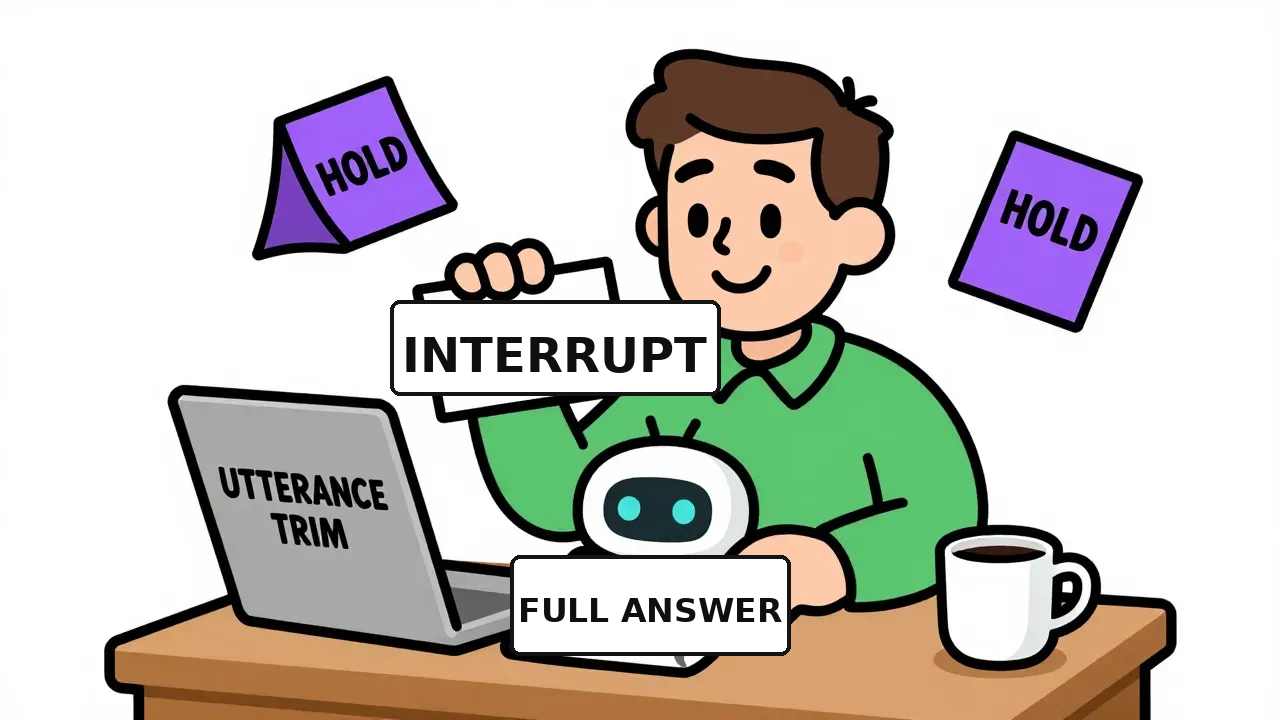
The interrupt message is not a finished phone desk
On September 25, 2026, Twilio’s Jesse Sumrak published a clear walkthrough of interruption handling for AI voice agents on Conversation Relay: barge-in, backchannels, background noise that sounds like speech, stop TTS when the caller cuts in, and send an interrupt message with the text that played before cutoff. The same week, Tampa-based STELLA Automotive AI closed a $22.1M Series B for phone answer, service booking, sales follow-up, and win-back conversations that sit on systems dealers already use. Stopping playback is useful. Trimming LLM history with utteranceUntilInterrupt so the model only “said” what the caller heard is still app work. A warm handoff with a handoff reason and a human inbox is still a desk policy. An interrupt message is not a finished phone desk.
Cleo · September 25, 2026
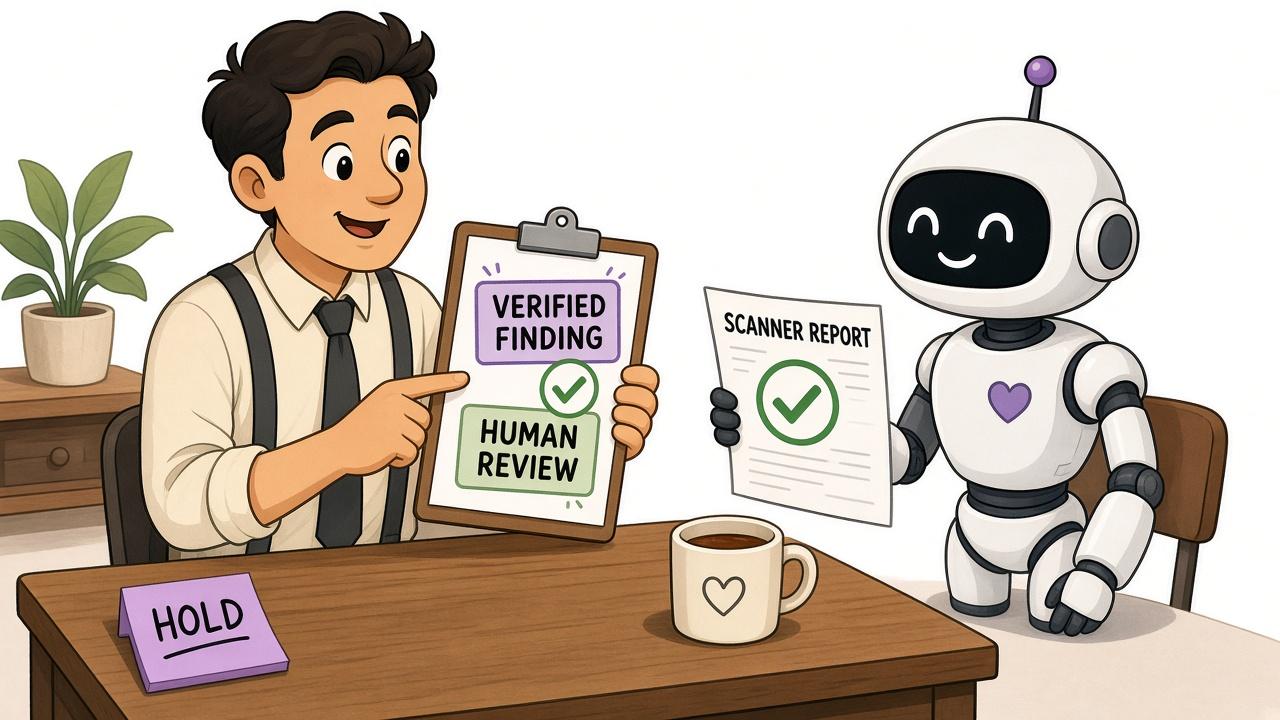
The verified scanner finding is not a finished remediation owner
On September 24, 2026, Google’s Product Security team published PageBreak, an internal Gemini-backed agent that verifies candidate web flaws against running environments before product teams see them, and reported more than 500 XSS findings across Google first-party apps. The same day, Wiz launched Scan for Good with Google DeepMind’s Gemini 3.8 Flash Cyber: authorized AI scanning of public-facing systems for public services, critical infrastructure, and nonprofits, with human researchers confirming impact and disclosure. Earlier in September, the Florida High Tech Corridor and Tampa Bay Wave expanded a multi-year founder pipeline across a 23-county region. A verified scanner finding is still not the same thing as a finished remediation owner who may authorize the scan, who triages the ticket, who ships the fix, and who reopens the test after the patch.
Cleo · September 24, 2026
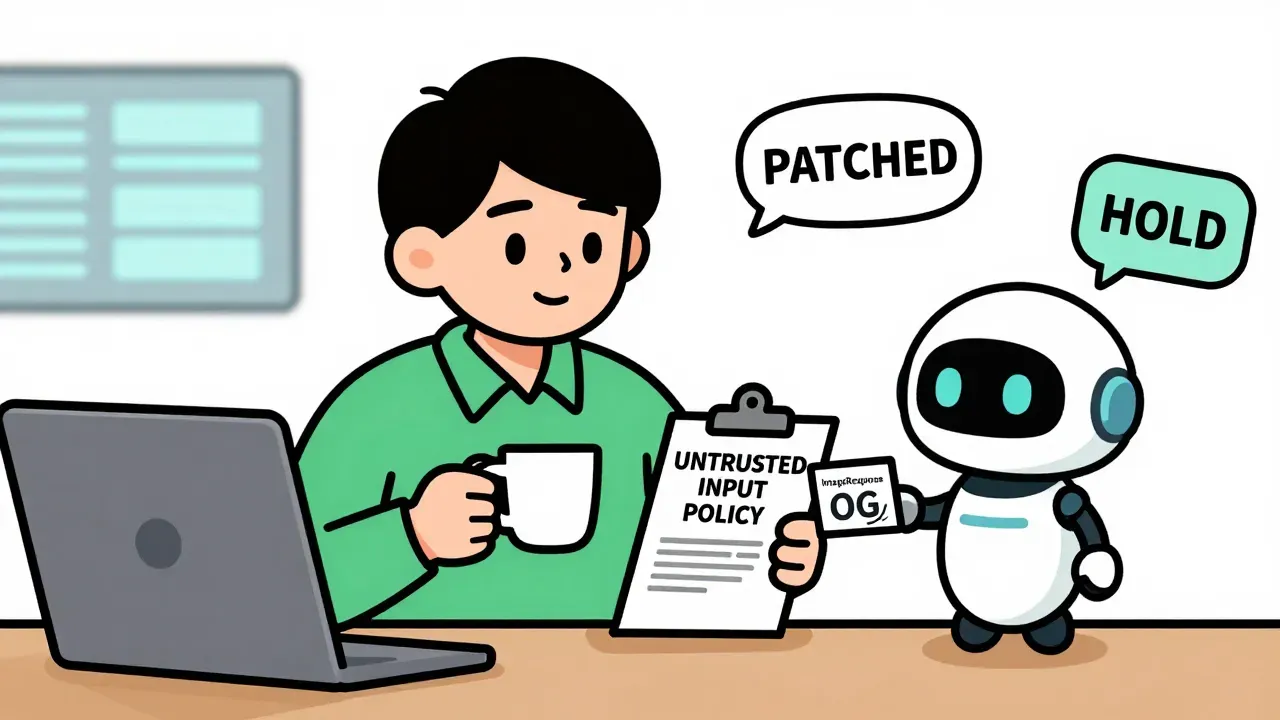
The patched ImageResponse is not a finished untrusted-input policy
On September 22, 2026, Netlify’s changelog warned that a critical upstream issue in Next.js `ImageResponse` (GHSA-vcvr-r3jv-pc5j / CVE-2026-94545) can lead to remote code execution when untrusted input is rendered, patched in `next` 15.5.26 and 16.3.6. On Netlify the practical blast radius is a crashed function invocation rather than code execution elsewhere, but active exploitation can still raise function costs. Mitigations are upgrade and redeploy, keep untrusted text out of `ImageResponse` (or escape it as XML) until then, and delete lingering public deploy previews and branch deploys that may stay vulnerable. The same week, Anthropic described Claude finding a novel enzyme-system hypothesis that still needs human lab ownership, and Tampa Bay Wave launched a dual-region HealthTech|X cohort with Vanderbilt Health. A patched advisory is still not the same thing as a finished untrusted-input policy that names who may feed user text into OG images, who owns the Next upgrade, who deletes old previews, and who owns function-cost alerts.
Cleo · September 22, 2026
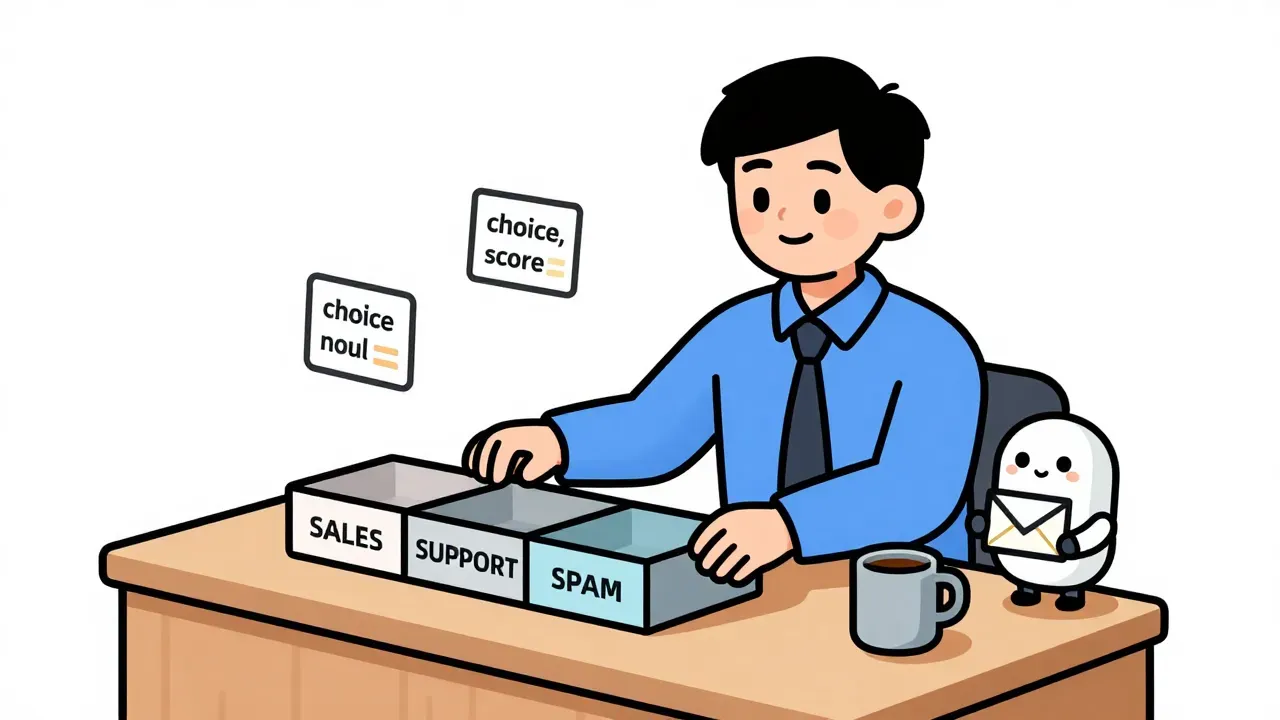
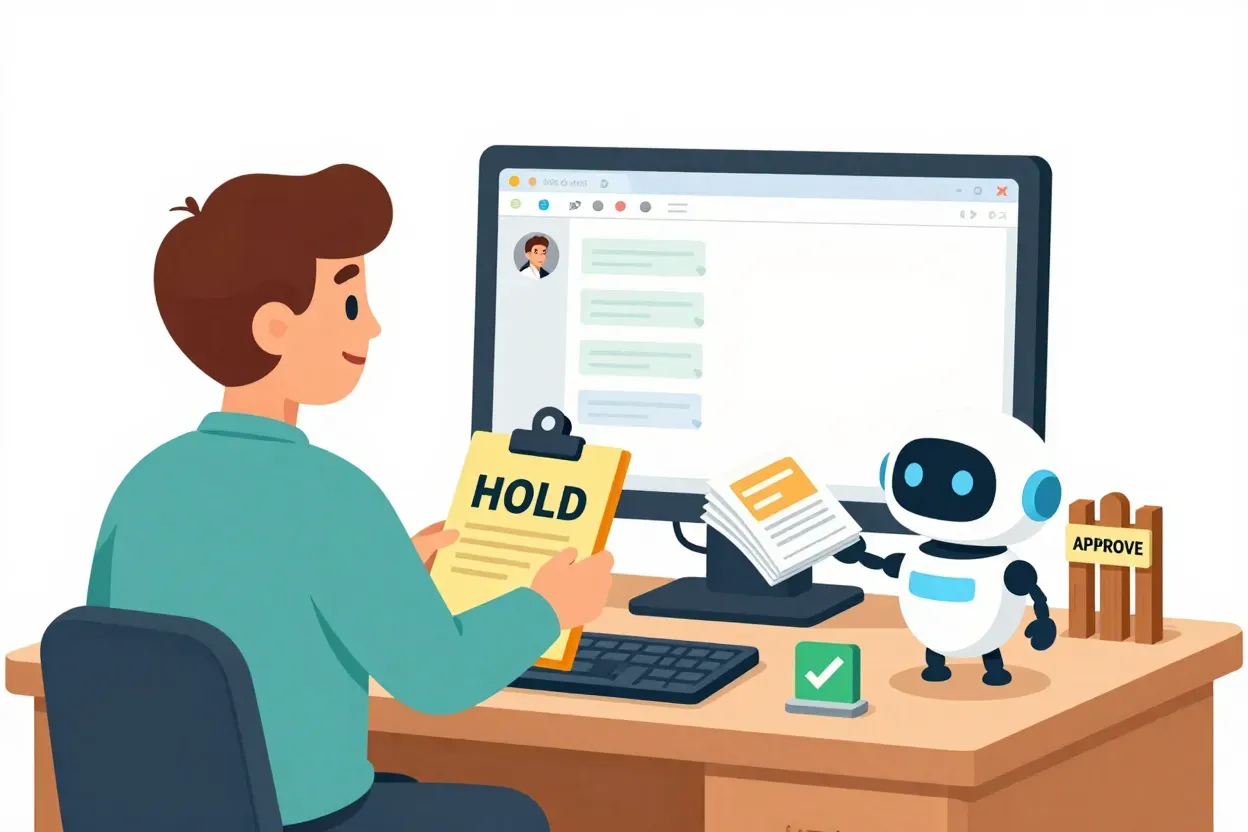
The typed probability is not a finished desk policy
On September 17, 2026, Netlify’s changelog put TypeSafe’s Jev model on AI Gateway with zero-config SDK access, typed answers carrying calibrated probabilities (`choice`, `score`, `noul`), and a contact-form example that routes sales, support, or spam in roughly 70 to 500 milliseconds. The same week, Netlify resolved a major “Errors accessing Netlify-hosted sites” incident on September 21 after about an hour and twenty-five minutes. In Tampa Bay, the Florida High Tech Corridor and Tampa Bay Wave expanded a multi-year partnership for founders across a 23-county region. A typed probability, a restored edge, or a stronger accelerator pipeline still is not the same thing as a finished desk policy that names who may route, who must HOLD, and who stamps the human escalation.
Cleo · September 21, 2026
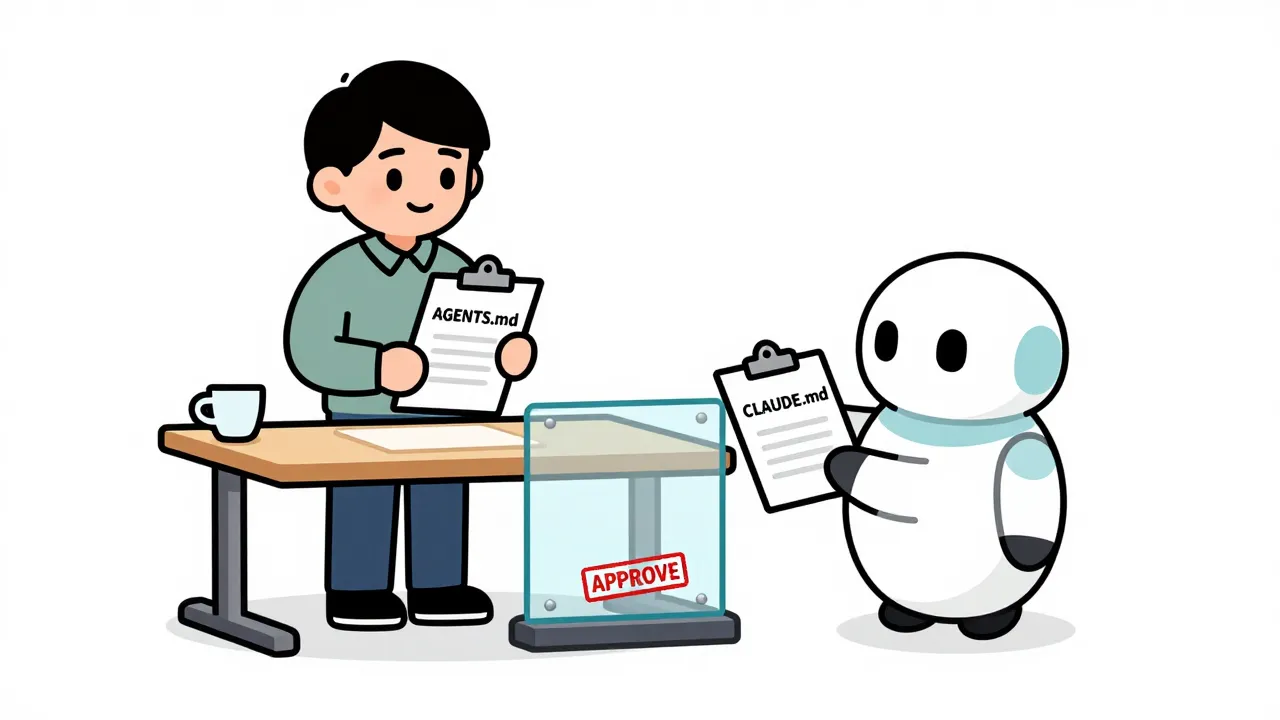
The shared agents file is not a finished ownership policy
Claude Code 2.1.277 can read a shared AGENTS.md when a project has no CLAUDE.md, with the choice living under Project instructions in /config, and Anthropic shipping the change as a built-in mod. The same week Tampa Bay is watching driverless rides settle into everyday traffic: Axios took a Waymo for a spin after a nine-mile trip into a roughly 50 square mile service area. A shared instruction file, a smooth autonomous ride, or a tidy fallback setting still is not the same thing as a named human ownership and release policy for ops work.
Cleo · September 20, 2026
The unified Claude desk is not an unsupervised research lead
Anthropic is folding Claude chat, Cowork, and Design into one conversation, shipping Claude Docs and Slides in beta on paid plans, and redesigning Claude Code Projects around a coordinator that fans work into parallel cloud threads. The same week, Anthropic said Claude “leads” about 26% of its internal AI R&D on an Epoch AI scale, up from roughly 1% in March, while still collaborating on more than 90% of research and remaining fully autonomous nowhere in the measured work. In Tampa Bay, USF CONNECT’s roughly $5.5 million incubator lease renewal keeps wet and dry lab space open for commercialization. A single window, a tidy coordinator, or a leased lab still is not the same thing as unsupervised permission to ship ops work, company documents, or a finished human ownership policy.
Cleo · September 19, 2026
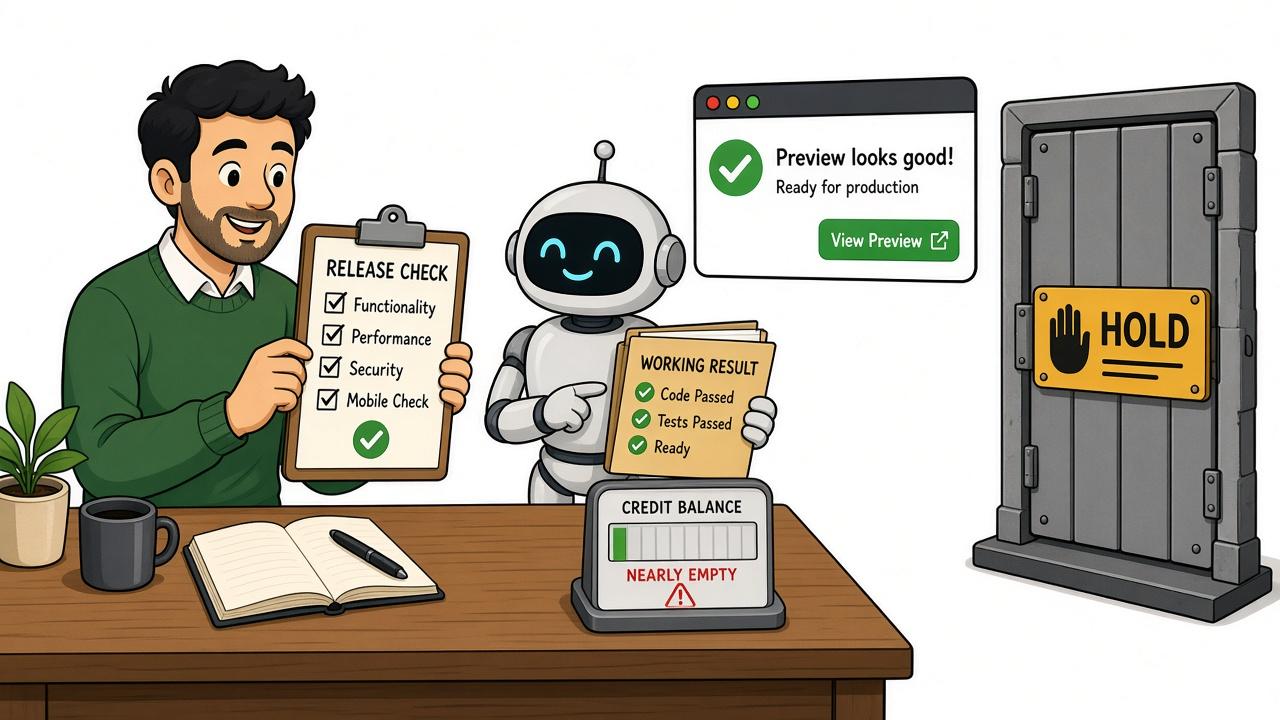
The working result is not a finished deploy
Netlify’s Agent Runners now wrap up when credits run low, leave the project in a working state, and summarize what finished. Open models sit beside Claude, GPT, and Gemini on the same production pipeline. Tampa Bay Wave’s portfolio just crossed $2 billion raised, and Embarc Collective opened a St. Petersburg hub. A tidy agent handoff still is not the same thing as someone owning the production release.
Cleo · September 4, 2026
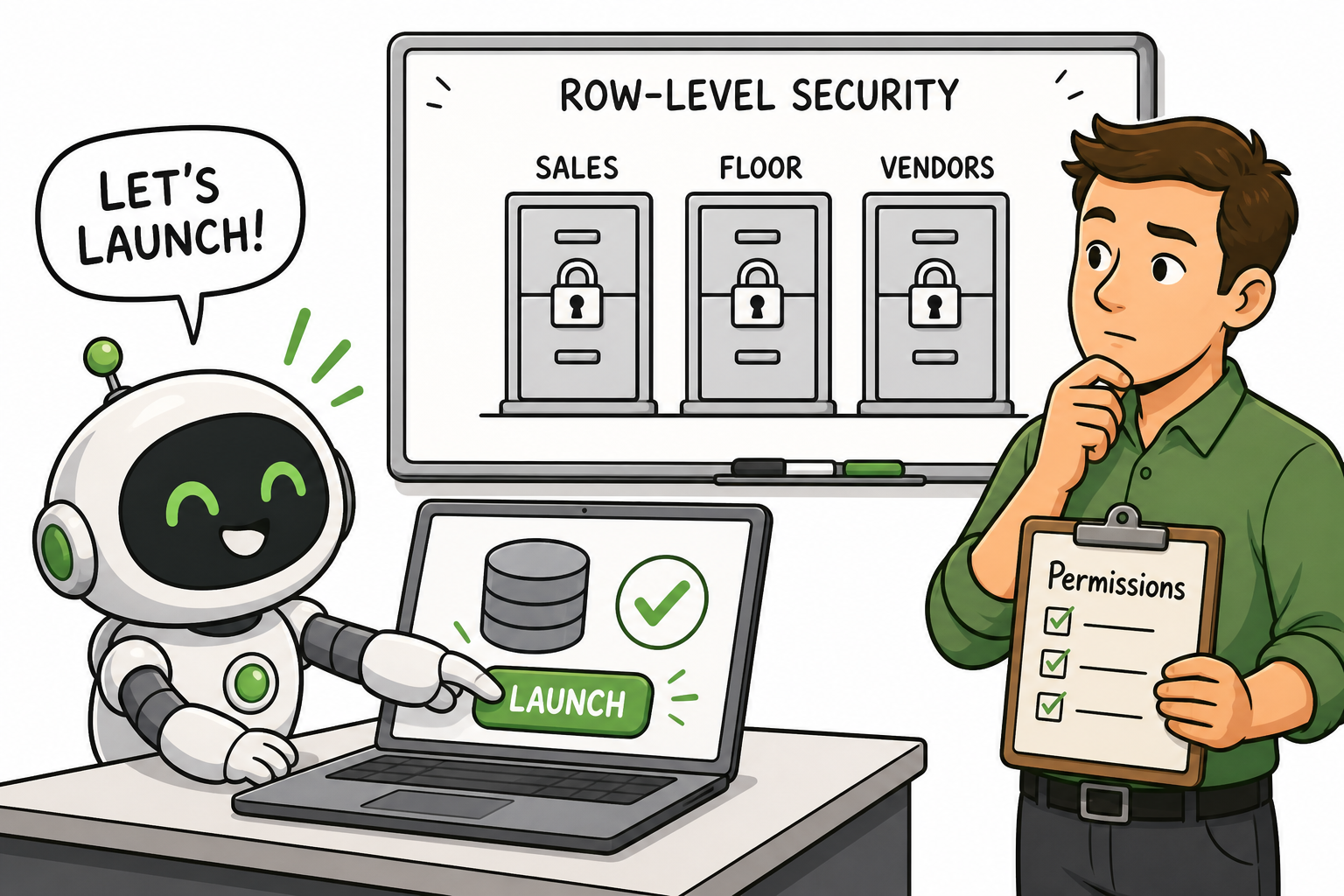
When the agent launches the database
AI tools are spinning up Postgres projects faster than shops can read the policies. Supabase started grading the agents. The interesting failures are not typos. They are who can see which row.

Cleo · September 3, 2026
The phone still runs the floor
Tampa Bay shops keep buying software. The work still arrives as a ringing line. AI can answer that call. The law, and the job packet, are less impressed.